A Global Crime Reaching Nepal’s Forests






Indra Kumar Upadhyay
January 22, 2026
Over the past year, I have been working as a research assistant at Greenhood Nepal, where my role involved documenting illegal wildlife trade across different parts of the country. As this work progressed, it became clear that what I was observing went far beyond statistics or crime records. The information reflected a deeper story of pressure on forests, wildlife, and the people who live alongside them. Many of the cases pointed toward a quiet but persistent crisis that often goes unnoticed.
Illegal wildlife trade is widely recognized as one of the largest illicit markets in the world. It operates through complex international networks and is driven by demand that extends far beyond national borders. Nepal’s geographic position between India and China, combined with its rich biodiversity, has made the country both a source of wildlife products and a transit point. As a result, Nepal’s forests have become increasingly exposed to global trafficking systems.
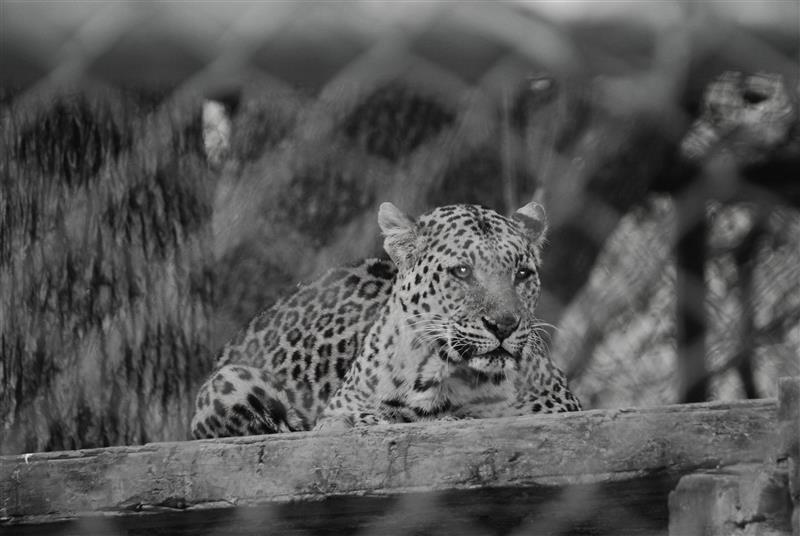
Nepal is home to a remarkable range of species that play important roles in maintaining ecological balance and supporting cultural traditions. Pangolins help regulate insect populations, while animals such as rhinos and tigers contribute to healthy forest systems. Medicinal plants continue to support traditional practices, and species like snow leopards and red pandas reflect the fragile nature of Himalayan ecosystems. Despite their importance, many of these species face growing threats due to hunting, trade, and unsustainable use. If these pressures continue, the presence of such wildlife may gradually fade from everyday landscapes.
While examining patterns within the data, it became evident that illegal wildlife trade does not occur randomly. Activities tend to concentrate around urban centres and border regions, where wildlife products are collected, moved, and transferred across boundaries. These areas form connections between forests and international markets, highlighting how local ecosystems are linked to wider economic and trade systems.
The structure of the trade itself often follows a clear hierarchy and based on data it was unclear who is who – a big question, are we chasing the right trade actor?
Another concerning aspect I realized was there may have been the influence of corruption. At the moment, we don’t have strong evidence, but this is something noted in other cases of wildlife trade. Moreover, I found a shift in patterns especially post-COVID lockdown, when reduced monitoring created conditions that allowed illegal activities to increase in some areas.
The demand for wildlife products is influenced by a range of factors, including cultural beliefs, traditional practices, and luxury consumption. In many cases, animals are viewed primarily as commodities rather than as living beings that contribute to healthy ecosystems. Cultural practices, however, are not fixed, and they have the capacity to evolve in ways that reduce harm while maintaining meaning.
While observing every case, I often ponder, what does one seizure case indicate. Is that only a single case of trade? The impacts of illegal wildlife trade extend beyond the loss of individual animals. Ecologically, the removal of key species can disrupt entire ecosystems. Socially, vulnerable communities often bear the greatest risks, while those higher up in the trade chain remain protected. Over time, such dynamics can weaken trust in institutions and deepen existing inequalities.
Throughout this work, I kept returning to one thought. Nature is not silent because it lacks a voice, but because we choose not to hear it. The stories hidden in seizure data were not just about numbers; they were about broken families, both human and non-human. I was once reminded of an UPSC interview story, where a candidate was asked, “If you have the power to change the colour of the sky, what would you choose?” The answer was simple. “Sir, we should not change nature. It is beautiful as it is.” That answer carries profound truth. Nature does not need our alteration; it needs our respect and protection.
As awareness grows, there is space for more thoughtful responses. Strengthening enforcement, supporting local communities, and encouraging responsible consumption can all contribute to reducing pressure on wildlife. Nepal’s forests continue to provide important signs of what is at stake, and responding to these signals remains an ongoing responsibility. The choices made by individuals, institutions, and consumers all play a role in shaping future outcomes. Let’s choose to be wise.
⟟ Balephi 08, Sindhupalchok AND ⟟ Kathmandu 02, Baluwatar
45305
Nepal
Telephone: +977-1-4504444
Email: info@greenhood.org
© 2021 Greenhood Nepal - Registered Charity Number 34885